

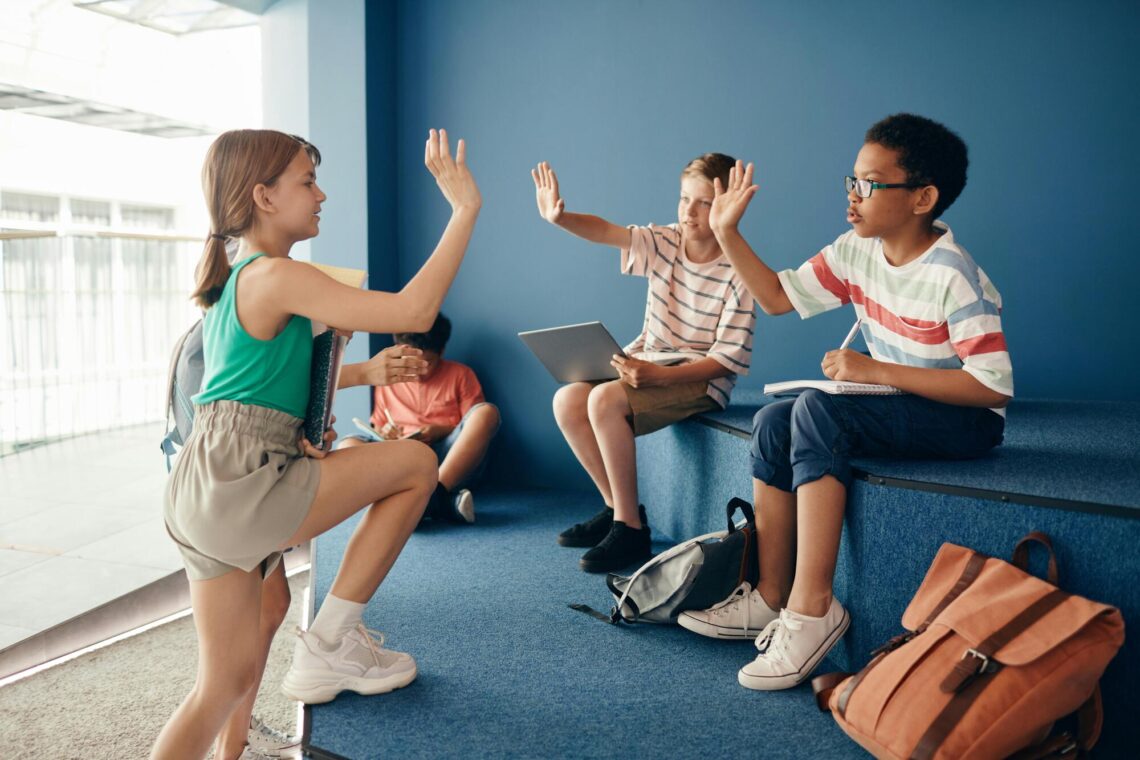
Kids thrive after school when programs blend structure, movement, and real community connection. The right after-school program builds confidence, reinforces positive values, and keeps students engaged until families reunite at the end of the day. When learning continues beyond the classroom, growth accelerates in ways homework alone cannot deliver for community engagement after-school programs.
At 3:00 p.m., backpacks hit the floor and energy spikes. Some kids scroll, some drift, and some end up bored before dinner. Others step into an after-school environment where they are welcomed by name and surrounded by peers working toward shared goals. That difference matters.
In spaces where discipline is taught with encouragement, and teamwork replaces idle time, children discover how effort turns into progress. An after-school program rooted in community does more than fill hours. It creates belonging, accountability, and momentum that carries into school, home, and life beyond the mat.
After-School Programs and Community Engagement
Community engagement after-school programs play a direct role in building a sense of community in youth. Regular group activities encourage cooperation, communication, and shared accountability. Children feel connected to something larger than themselves.
Over time, these experiences shape how young people view their role within their neighborhood. They change how they relate to peers from different backgrounds.
Volunteering opportunities for teens and kids are often at the heart of this process. Projects like the following introduce the idea that positive change starts closer to home:
- Neighborhood cleanups
- Food drives
- Supporting local charities
- Peer-led service projects
These hands-on efforts naturally promote social responsibility and youth empowerment. They show participants that their actions can improve the lives of others.
As confidence grows, many students become more interested in encouraging civic participation among young people. They take initiative rather than waiting to be asked.
These programs also support enhancing local support networks. Families meet other families. Caregivers connect with mentors.
Children build friendships rooted in shared goals. This network effect creates stronger, more resilient communities where young people feel seen, supported, and valued.
Strengthening Community Ties Through After-School Activities
Community engagement after-school programs strengthen neighborhoods by giving young people consistent opportunities to interact and contribute beyond their immediate peer groups.
Shared activities create natural connections between students, families, and community members, helping kids feel rooted in the places they live. Over time, this steady interaction builds trust and familiarity. It turns after-school spaces into gathering points that support the wider community rather than functioning in isolation.
These programs are especially effective at building a sense of community in youth because participation is ongoing rather than one-off. Collaborative learning experiences and group challenges teach cooperation and accountability in real settings.
As children work together toward common goals, they begin to understand social responsibility and youth empowerment in practical terms. They see how small actions can make a visible difference close to home.
The Role of Local Businesses and Organizations in After-School Programs
Local businesses and community organizations play a central role in shaping effective community engagement after-school programs. Their involvement adds structure, expertise, and consistency that families often cannot find through school-based programs alone.
When a trusted local organization steps in, after-school time becomes an extension of learning rather than a pause between responsibilities. It gives kids a dependable environment where growth is intentional and supervised.
Community-based businesses show how after-school programs can blend skill development with character building. Programs rooted in the following help reinforce social responsibility and youth empowerment:
- Discipline
- Physical activity
- Respect
- Perseverance
At the same time, they offer parents peace of mind through safe transportation, extended hours, and professional instruction. This kind of consistency allows students to progress over time.
Frequently Asked Questions
What Should Parents Look for in an After-School Program?
Parents should look for an after-school program that balances structure, safety, and meaningful engagement. Strong community engagement after-school programs provide clear routines and activities that keep kids both physically and mentally involved.
A good program feels organized without being rigid, giving children room to explore interests while maintaining consistent expectations that help them feel secure.
Quality programs also show a connection to the surrounding community. Partnerships with local institutions and community service projects for kids signal that the program values social responsibility and youth empowerment rather than simple supervision.
What Ages Benefit Most From After School Programs?
Elementary and middle school students tend to benefit the most from encouraging civic participation among young people, though the advantages extend across a wide age range. Younger children gain structure and social skills at a stage when habits are forming, and supervision matters most.
Community engagement after-school programs at this age help kids develop confidence and a sense of belonging.
Older students benefit in different ways. Preteens and teens often gain the most from leadership opportunities and partnerships with local institutions that encourage independence.
These programs support social responsibility and youth empowerment by helping older participants practice:
- Decision-making
- Teamwork
- Civic awareness
- Leadership skills
- Communication
These all prepare them for greater academic, social, and community involvement as they grow.
Do After-School Programs Help Kids Burn Off Energy in a Healthy Way?
After-school programs help kids burn off energy in a healthy, structured way. Community engagement after-school programs channel physical and mental energy into activities that support coordination, focus, and emotional balance rather than unstructured downtime. The following give kids an outlet to reset after a long school day while reinforcing positive habits:
- Organized movement
- Creative projects
- Group challenges
- Routine-based activities
These programs also connect physical activity to social responsibility and youth empowerment. When kids participate in team-based exercises or service-oriented activities, they learn how to manage energy while cooperating with others.
Over time, this balance supports:
- Better sleep routines
- Improved concentration at school
- Stronger connections within their community
- Greater emotional regulation
Community Engagement After-School Programs: Now You Know
There are a lot of great pros to community engagement after-school programs.
Looking for an after-school program that builds confidence, discipline, and real-world respect while keeping kids active and engaged until pickup time?
Carrollwood Black Belt Academy’s After School Program brings structure, mentorship, and community together in one place, with safe transportation from select schools and expert instruction. Families are invited to see the difference firsthand with a free first class and no contracts required.
Call to discover how our program supports your child’s growth long after the school bell rings.