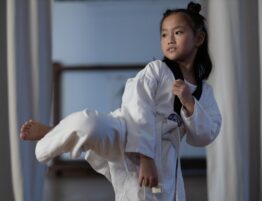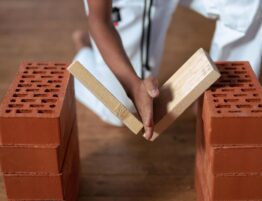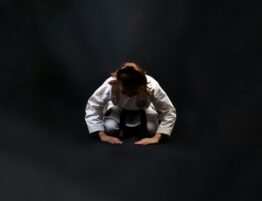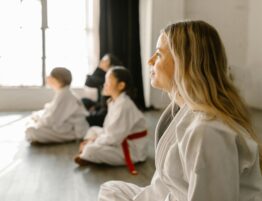

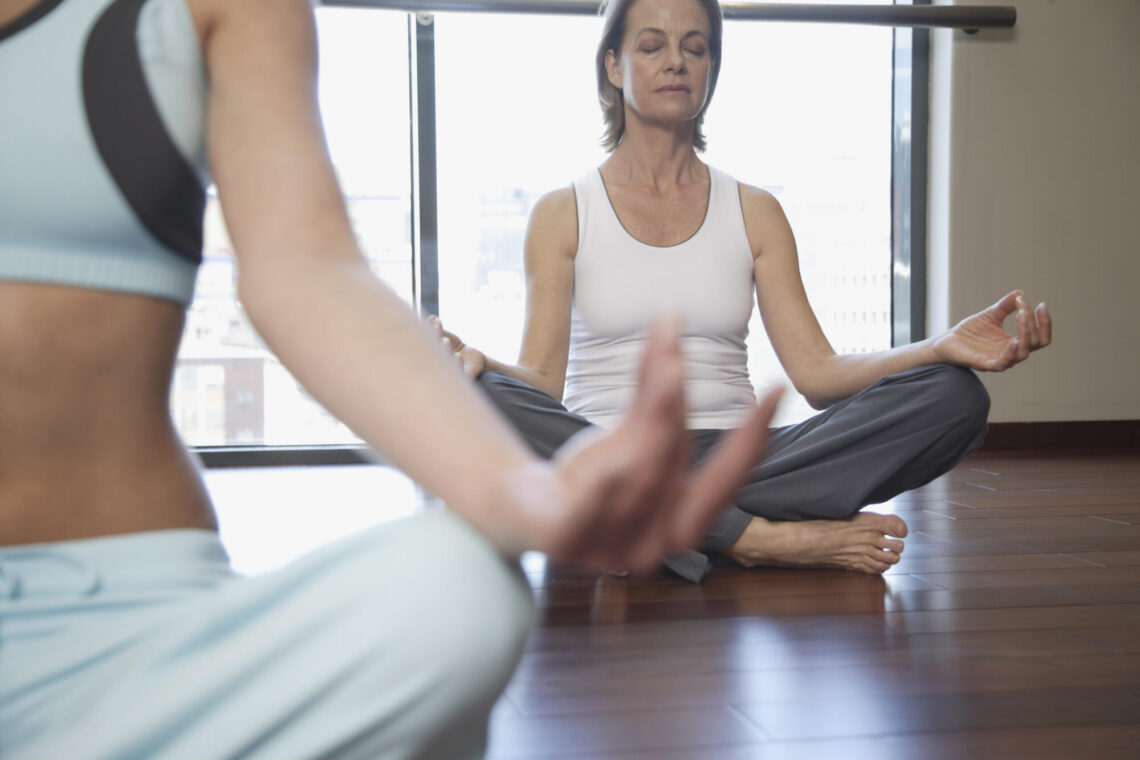
Yoga and meditation in martial arts training can improve flexibility, balance, focus, breathing control, and emotional discipline. Many martial arts schools now combine yoga and meditation with taekwondo or karate because these practices support both physical performance and mental strength.
Research continues showing that yoga may improve flexibility, reduce stress, and support overall physical health. A recent review published by Health.com found that regular yoga practice was linked to lower blood pressure and improved wellness markers in many participants.
Martial artists often focus heavily on strength and technique, but recovery and mental control also play a major role in long-term success. Combining Eastern practices in training has become increasingly common in martial arts schools focused on discipline and confidence-building.
The Benefits of Yoga for Martial Artists
Many martial artists use yoga to support movement, flexibility, recovery, and body control. These benefits often help students perform better during sparring, forms training, and conditioning drills. Better mobility often leads to better martial arts performance.
Enhancing Flexibility and Balance With Yoga
Flexibility is important in taekwondo, karate, and other martial arts that require kicking, fast movement, and controlled body positioning. Tight muscles can reduce range of motion and make certain techniques more difficult to perform correctly. Yoga poses for martial arts improvement often focus on the hips, hamstrings, shoulders, and core strength.
Reducing Injury Risk With Yoga
Martial arts training places stress on joints, muscles, and connective tissue. Repetitive kicking, jumping, and striking can increase soreness and overuse injuries over time.
Many athletes now use yoga for recovery and injury prevention because stretching and mobility exercises help reduce stiffness. Flexible muscles usually recover faster after intense training sessions.
Schools that combine movement training with structured discipline often help students build healthier long-term fitness habits. Some instructors also discuss the importance of enhancing child development through martial arts routines.
Breathing Techniques for Martial Artists
Controlled breathing plays a major role in both yoga and martial arts. Many martial artists use breathing techniques for martial artists to improve endurance, lower stress, and maintain better focus during training.
Deep breathing can also help students stay calm under pressure. Proper breathing supports stronger oxygen flow during sparring, conditioning drills, and meditation exercises. Breathing control can influence both power and mental focus.
The Spiritual Side of Martial Arts
Many traditional martial arts systems include lessons about patience, discipline, humility, and respect. Meditation and mindfulness often support these values by helping students slow down and become more aware of their thoughts and emotions.
The spiritual side of martial arts is not always about religion. For many practitioners, it focuses more on self-control, inner discipline, and personal growth. Adults looking for personal growth and stress management sometimes explore these benefits through programs focused on the benefits of martial arts training for adults.
Meditation Techniques for Martial Arts Practitioners
Meditation has become increasingly popular among athletes, coaches, and martial arts instructors. Many students now use meditation for stress relief and recovery after difficult training sessions.
Mental Clarity and Focus Through Meditation
Mental clarity and focus through meditation can help martial artists react faster and stay calm during difficult situations. Many forms of meditation train the mind to stay focused on the present moment instead of distractions.
Visualization Training for Martial Artists
Visualization meditation involves mentally practicing movements, techniques, or sparring situations before physically performing them. Many professional athletes use visualization to improve reaction speed and confidence.
Mindful Recovery and Stress Reduction
Hard martial arts training can create physical fatigue and mental exhaustion. Meditation for stress relief and recovery helps many students relax their muscles and lower tension after difficult classes. Mindfulness exercises can also improve sleep quality and emotional regulation.
Traditional martial arts systems have used meditation and breathing exercises for centuries. Historical practices connected to taekwondo often emphasized discipline, breathing control, and mental focus alongside physical training.
Integrating Mindfulness Into Martial Arts
Mindfulness helps martial artists improve focus, breathing, balance, and emotional control during training. Many schools now include mindfulness exercises in both youth and adult martial arts classes.
Some after-school programs and summer camp activities also use mindfulness training to help children build confidence and discipline. Yoga and meditation are now common in competitive martial arts because flexibility, recovery, and mental control can improve performance.
Modern martial arts training combines physical skill with mental conditioning. According to Verywell Health, yoga may help improve flexibility, strength, balance, and stress management. Mindfulness training may also help students stay calmer during stressful situations outside the training floor.
Frequently Asked Questions
Can Yoga Improve Martial Arts Kicking Power?
Yoga can help improve kicking mechanics by increasing hip mobility, leg flexibility, and balance. Stronger balance often allows martial artists to generate more controlled movement and maintain stability while kicking. Core strength developed through yoga may also improve body control during spinning kicks and fast transitions.
How Often Should Martial Artists Practice Meditation?
Many instructors recommend starting with five to ten minutes of meditation several times per week. Consistency is usually more important than long sessions for beginners.
What Yoga Styles Work Best for Martial Artists?
Hatha yoga and Vinyasa yoga are commonly recommended because they focus on flexibility, balance, breathing, and controlled movement. Restorative yoga may also help with muscle recovery after intense training.
Can Children Benefit From Combining Yoga and Martial Arts?
Yes, many children benefit from combining yoga, mindfulness, and martial arts training. These activities may help improve:
- Balance
- Focus
- Confidence
- Listening skills
- Emotional control
Some schools and after-school program activities now include stretching, breathing exercises, and meditation as part of youth martial arts classes.
Does Meditation Help Competitive Martial Artists?
Meditation may help competitive martial artists stay calmer during tournaments and high-pressure situations. Controlled breathing and mental focus can improve reaction speed and decision-making.
Yoga and Meditation In Martial Arts Continue Growing In Popularity
Yoga and meditation in martial arts continue gaining popularity because students increasingly recognize the importance of focus and emotional discipline. Martial arts training is no longer viewed as only physical conditioning, because mental strength now plays a major role in long-term performance and personal growth.
Carrollwood Blackbelt Academy has served the Tampa Bay area since 1999 with a traditional approach to taekwondo that emphasizes long-term student development and strong community values. To learn more about classes, training options, and upcoming programs, contact us today.